
How to learn UX Research for free in 2026? Complete guide
An updated guide for self-learners, social science professionals, and those looking to transition into user experience research in Latin America.
Articles about UX Research, experience design and research methodologies.
An updated guide for self-learners, social science professionals, and those looking to transition into user experience research in Latin America.

An open letter to Santa from a UX Researcher in Chile: access to users, exploratory freedom, real impact, and time to think. The real pains of UX Research in Latin America.
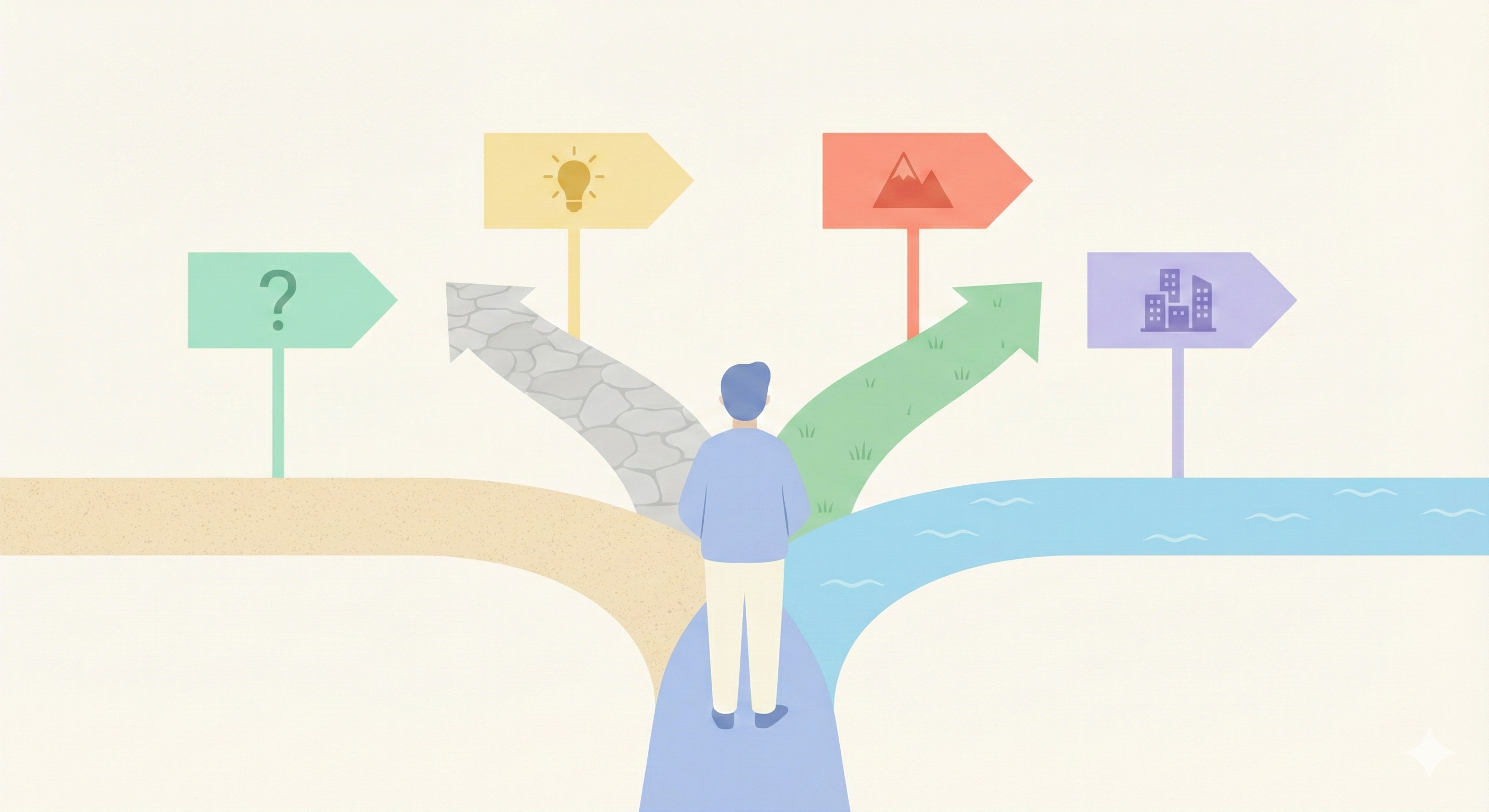
Choosing the right UX research methodology can be overwhelming with so many options available. This guide shows you the 6 key criteria that UX Research literature recommends for making this decision.

Simple language builds more trust than complex language. Discover how to apply cognitive psychology principles to UX Writing and your product's microcopy.

Surveys are one of the most commonly used UX research tools...
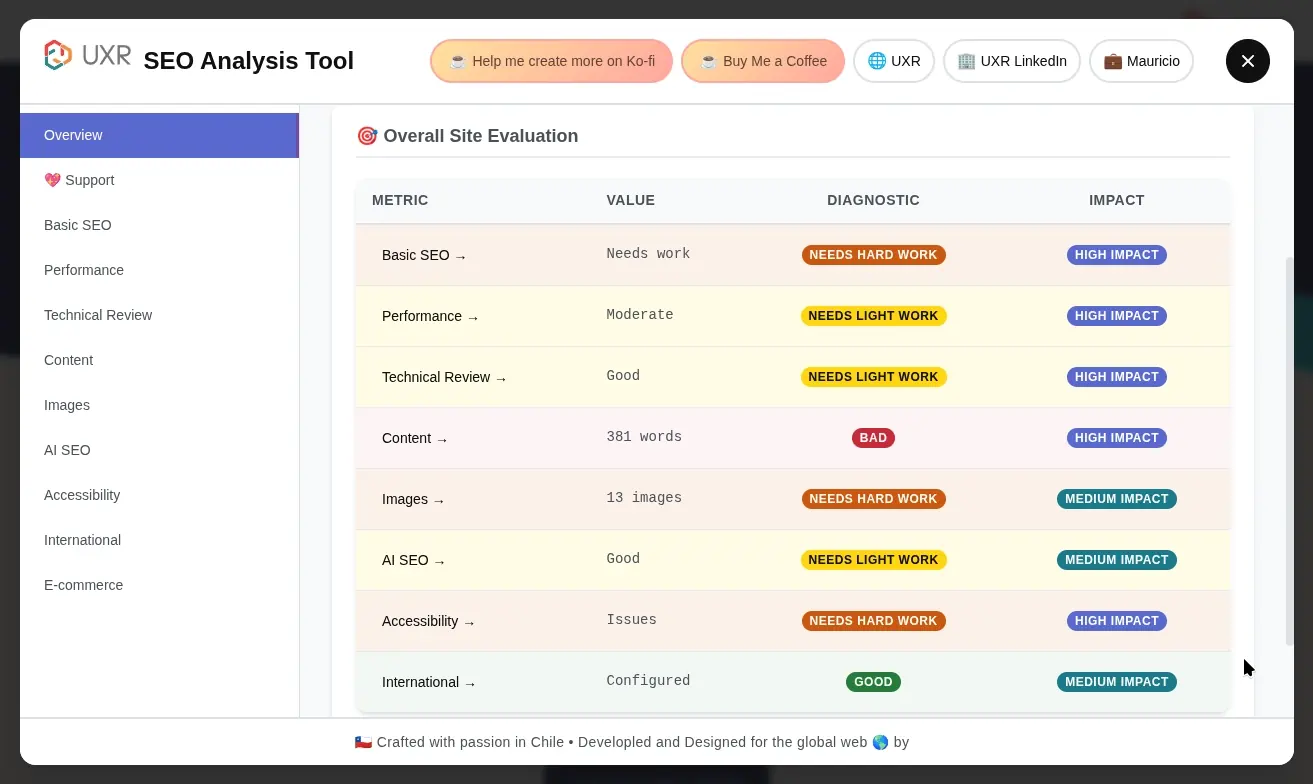
Launch of my first Chrome extension for comprehensive SEO analysis with level-based diagnostics. Free and 100% local tool designed for professionals who need quick audits.

We explore how experience research is evolving: from new measurement frameworks like ICE Index, to immersive innovations and the integration of analytics with qualitative research.
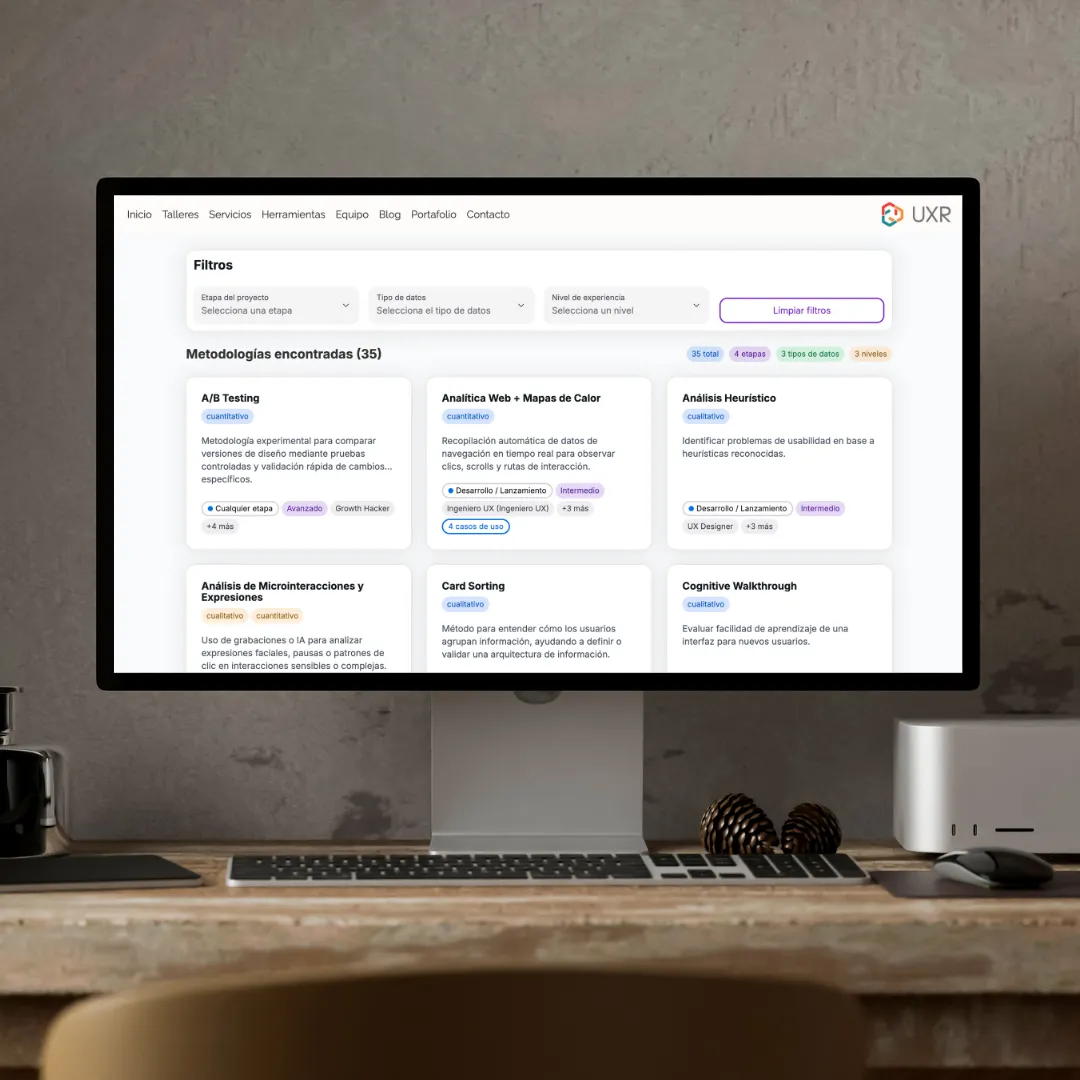
35 methodologies and a question-guided flow to choose the right UX research method based on stage, data, experience, and context.

In digital product and service design, there are many overlapping terms (UX, UI, Research, Product Design, UX Writing). Here I seek to differentiate them with examples to understand 'who does what' and how to collaborate better.
Effective research begins with a clear, well-formulated question. Learn to build UX research questions step by step.
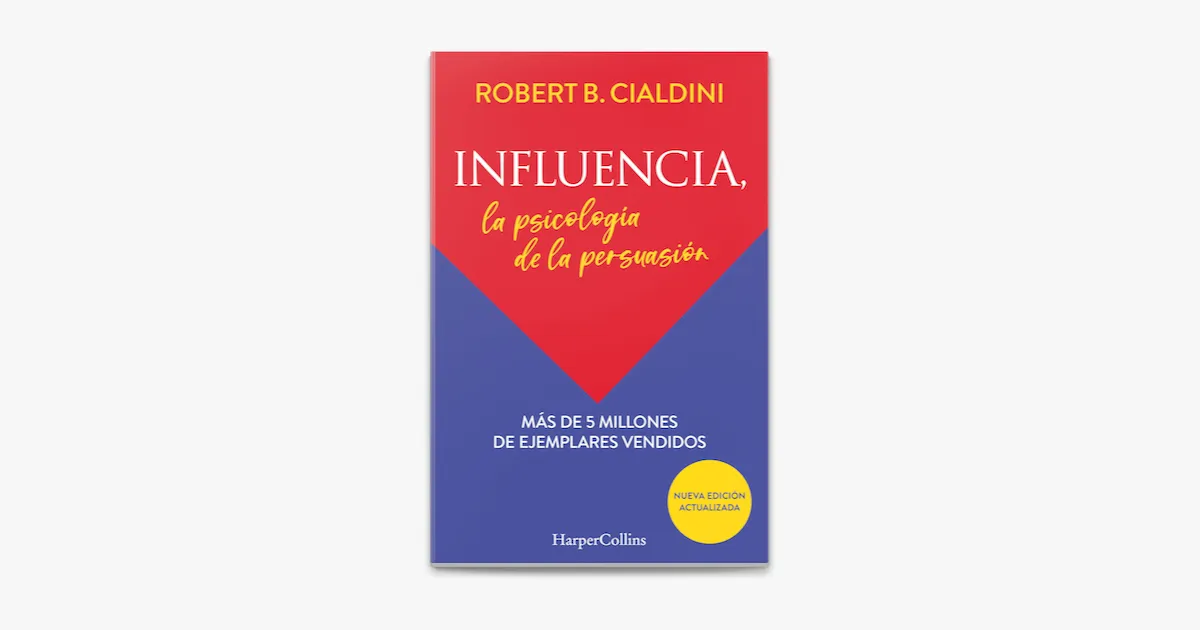
Persuasion in UX must be guided by ethical principles. We explore Cialdini's principles, their power in design, and how to complement them with models that prioritize autonomy and well-being.

Mobile device usage is at its peak, but many designers have questions about how to make mobile apps accessible.

Practical SEO guide for entrepreneurs and non-technical people. Understanding fundamentals to improve search engine visibility.

Strategic decisions, information architecture, and the results of building Cornershop's SEO area from scratch.

The story of how I built and made visible the SEO area at Cornershop, Chile's first unicorn, competing with major E-commerce players.
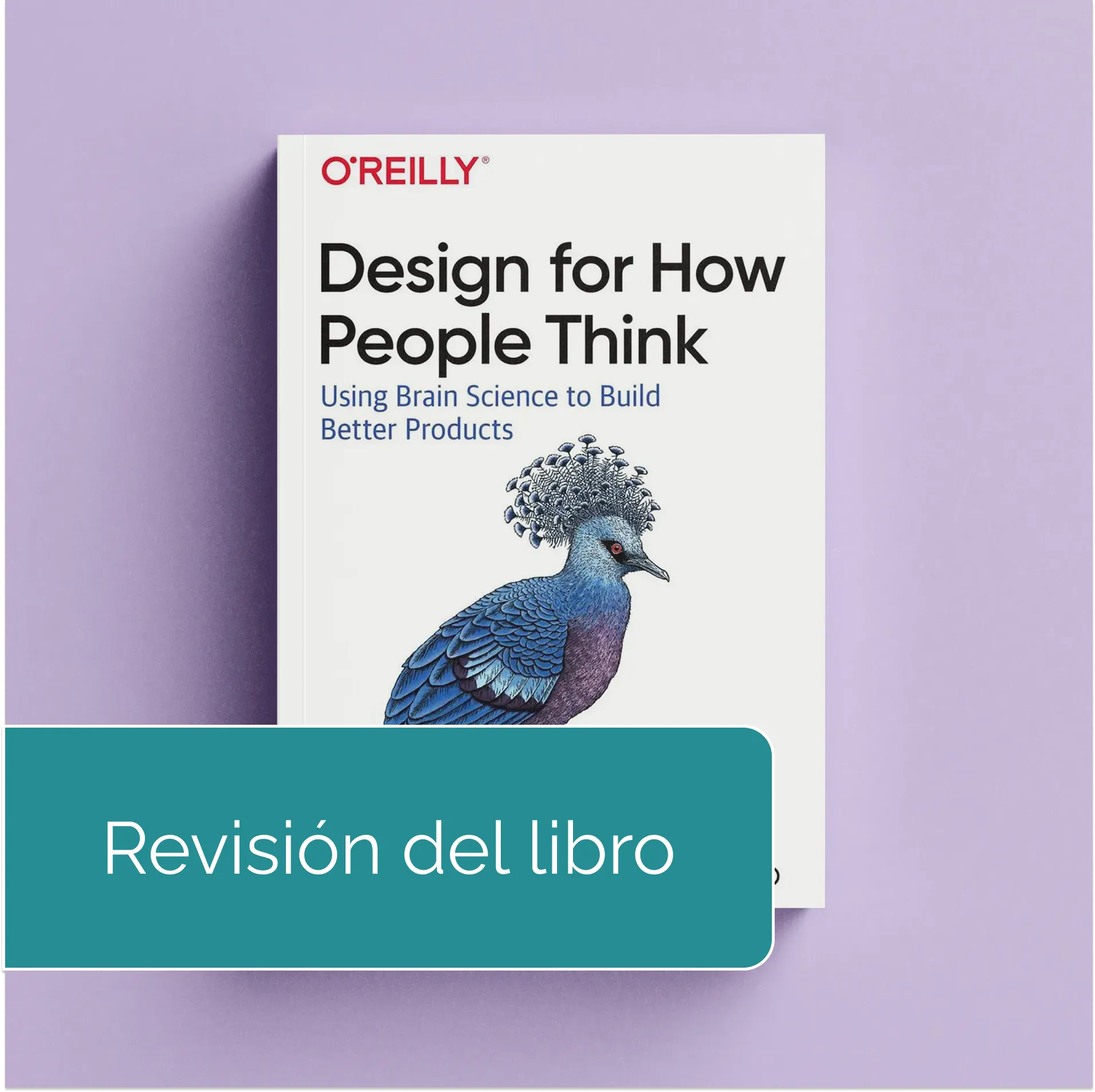
John Whalen, cognitive psychologist, proposes designing products adapted to how people think through 6 cognitive processes: vision, wayfinding, memory, language, decision-making, and emotion.

This time instead of doing a book review, I share the challenge proposed by Daniel Priestley in Entrepreneur Revolution. I never considered myself an entrepreneur, but life has been leading me down that path.
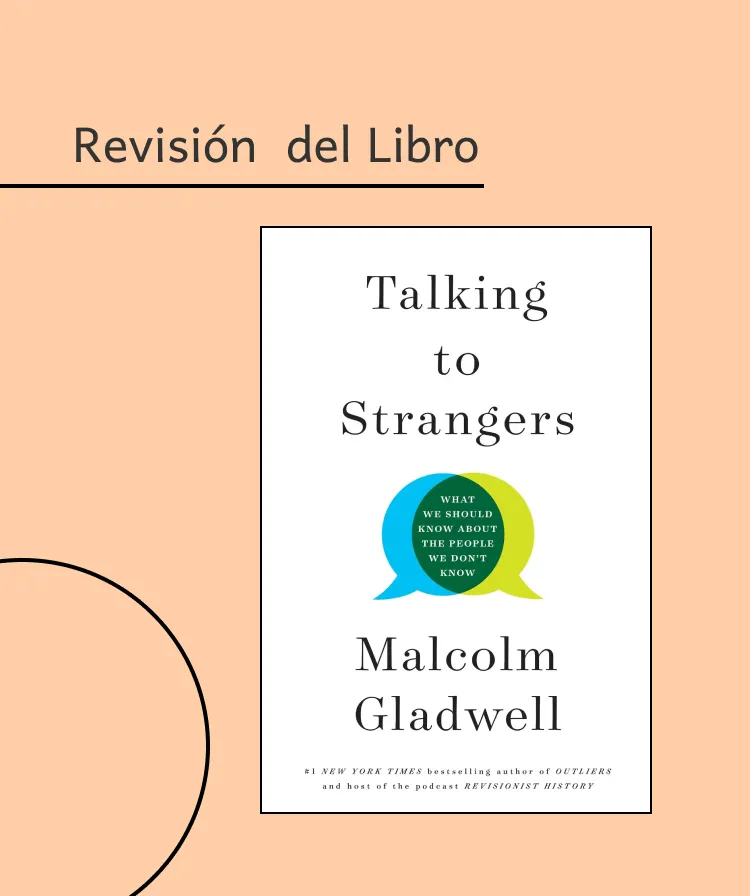
A deep reflection on how we misinterpret strangers and the consequences of our biases when judging others.
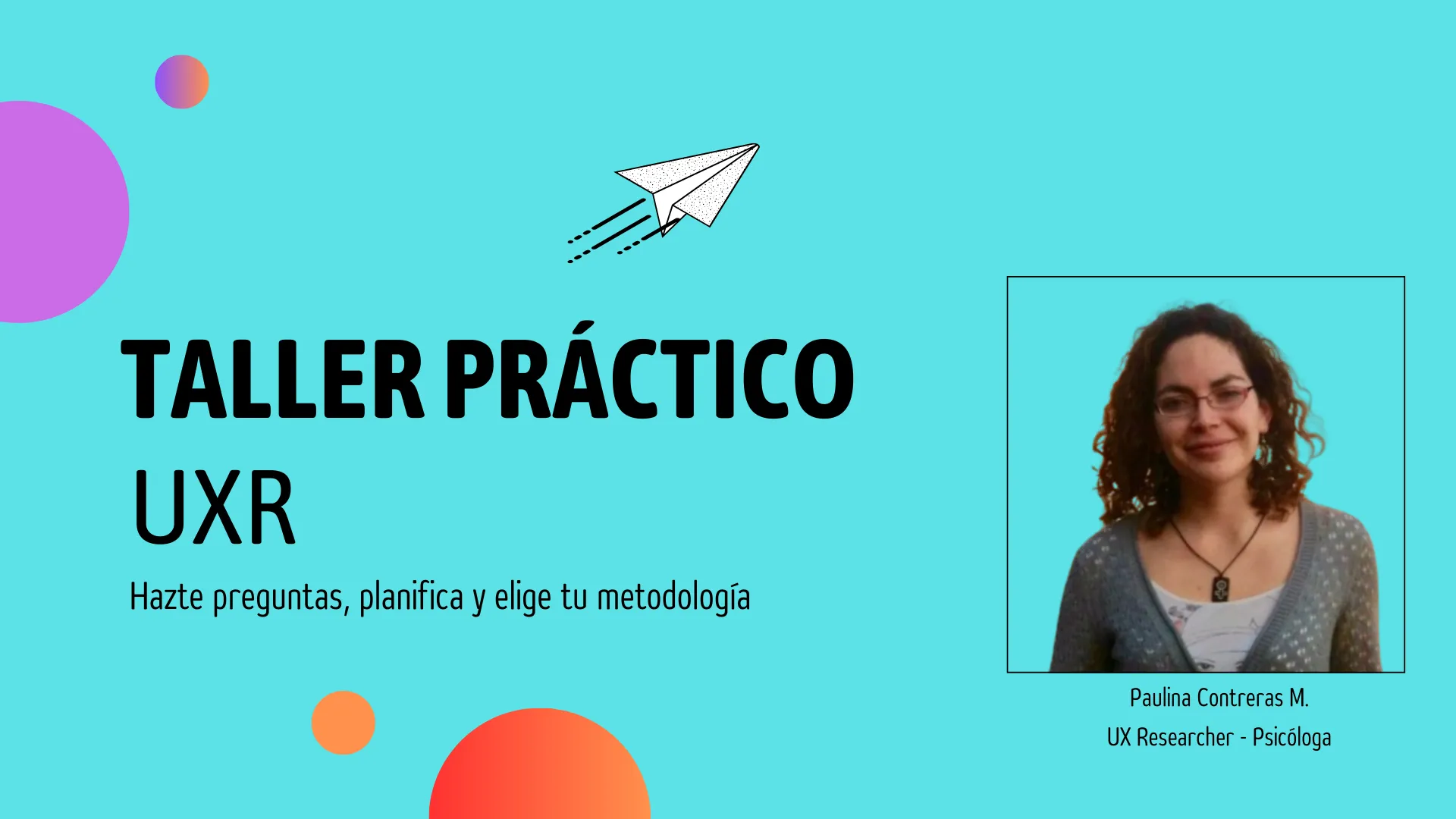
Improved second version of the practical workshop where you'll learn to respond to research briefs and choose appropriate methodologies.

A practical challenge to learn how to respond to research briefs and choose appropriate methodologies in real contexts.

Practical strategies to get your entire product team to adopt and use User Personas in their daily work.

SEO and UX are complementary, not opposites. Learn how to combine both to create an attractive, functional, and easy-to-find website.

Preconceived ideas and expectations about UX Research work that changed with experience.
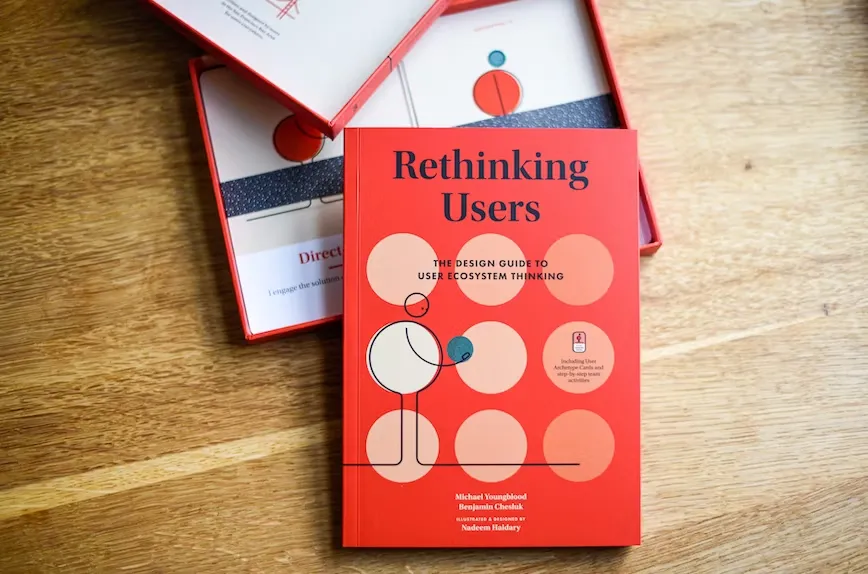
Youngblood and Chesluk propose thinking about the user ecosystem, not just individuals. The book includes 15 archetypes based on relationships between people and objects, with practical cards for teamwork.

Fourth and final stage of the process: Present. Resources for communicating research findings effectively and persuasively to stakeholders.

Reflection on academic qualitative research and how those learnings apply to the world of UX Research.

Third stage of the research process: Analyze. Resources for analyzing qualitative data, identifying patterns, and generating insights.

Reflections on lifelong learning and its impact on UX Research. Exploring myths about age and learning capabilities.
Second stage of the research process: Explore. Resources for preparing scripts, recruiting participants, and conducting effective interviews.

Free resources that helped me understand UX Research and apply it to work. A curated list of quality resources for your professional development.

Curated resources to understand and apply each stage of the UX research process: Discover, Explore, Analyze, and Present.

This is the story about the process carried out to develop User Personas for a retail company, as well as the books, articles, and step-by-step guide to define them.